“I live my life like everyone else; everyone has their own obstacles. Mine is deafness.” This quote from Marlee Matlin, a Deaf actress/advocate, is a testament to the resilience and strength of the Deaf community.
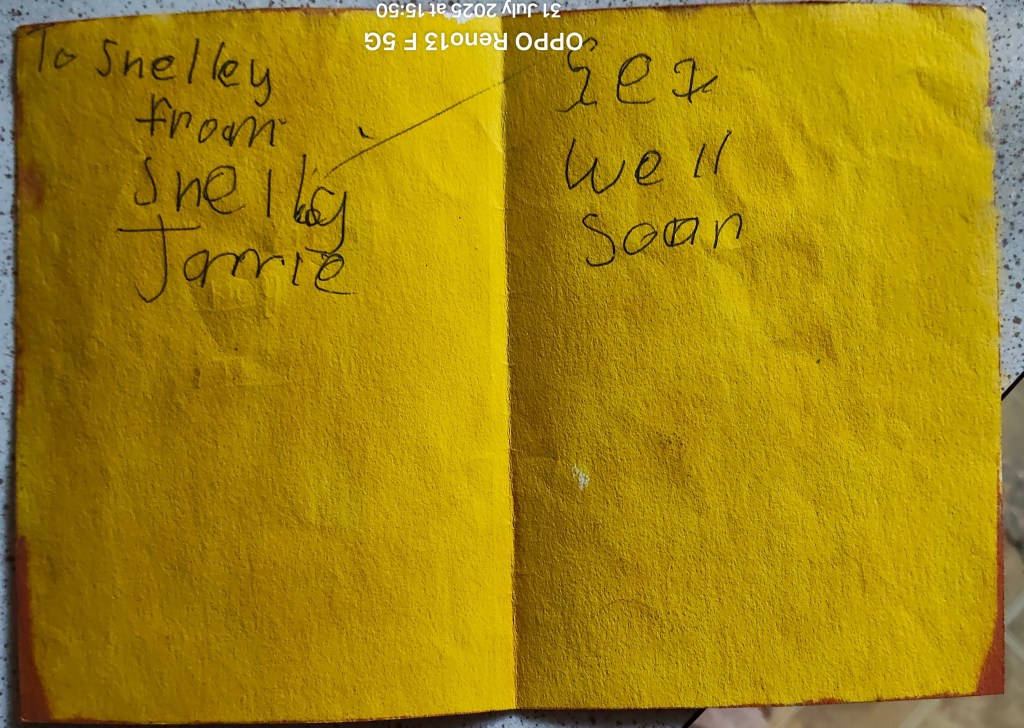
The deaf historian/researcher, Jean, interviewed two deaf women a couple of months ago at a large shopping centre, which had a noisy environment. One of the women bought some cards she found at home, which were ‘Get Well’ Cards she had received when she was younger, about 10 or 11 years old. These deaf women attended the same Deaf Units where Jean was previously, and they are Julie C. (not Julie P., as her maiden name was C.) and Shelley J. (not Shelley R., as her married name is J.).In Waikato and across New Zealand, several Deaf people knew everyone through Deaf Schools and Deaf Clubs in the past. It is a small community of around 5,000 Deaf people with their first language NZSL (New Zealand Sign Language), living in New Zealand. The Get Well cards brought back memories, including from Jean to Shelley J. Jean noticed the different levels of writing, including the words UFO, by each student in the Get Well cards at Hamilton West School, Waikato. The age group was between 7 and 10 years old.
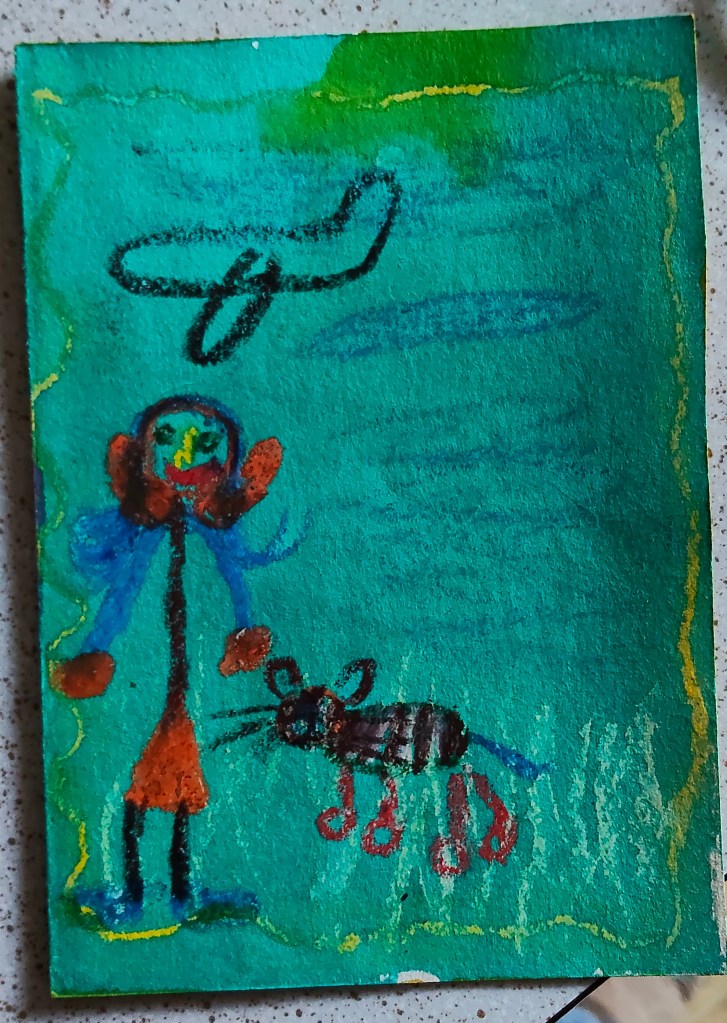
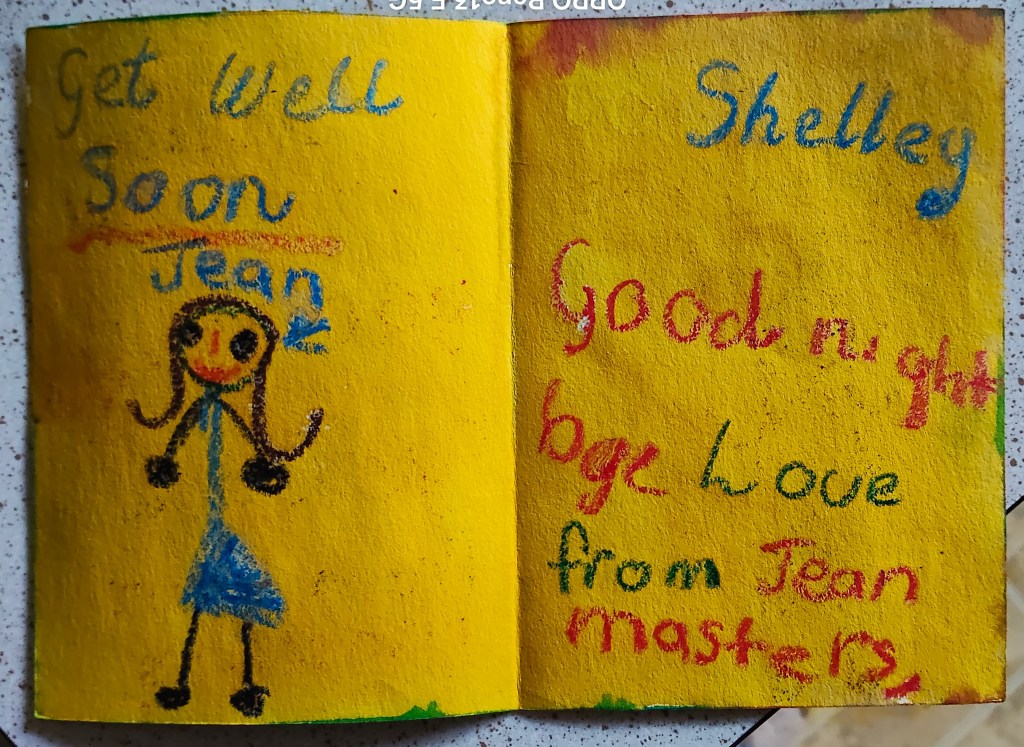
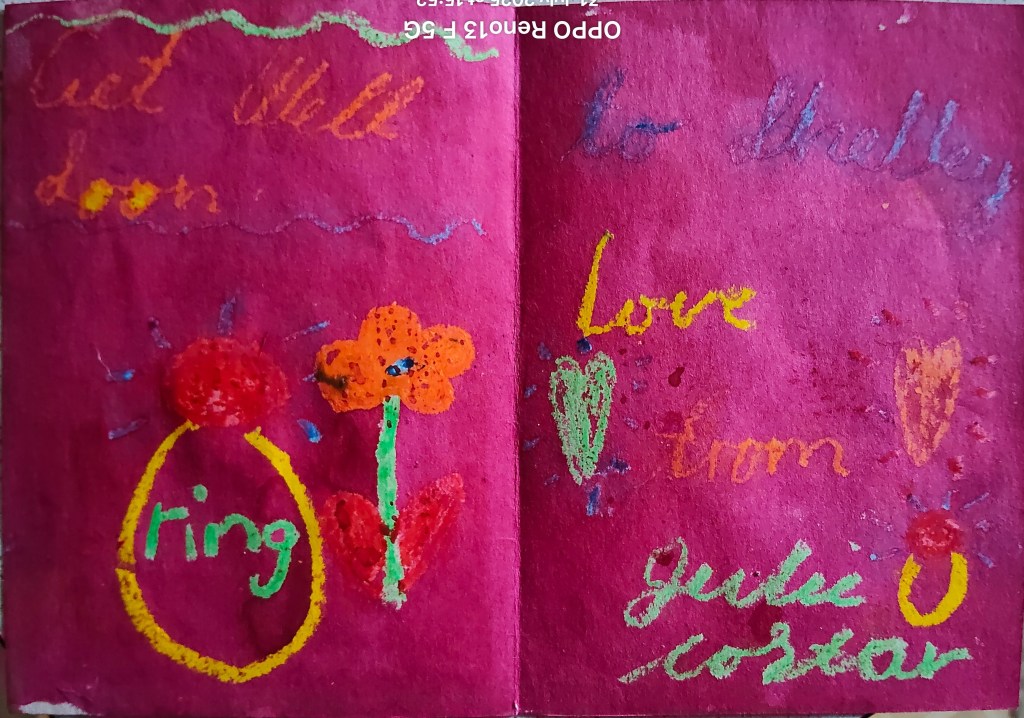
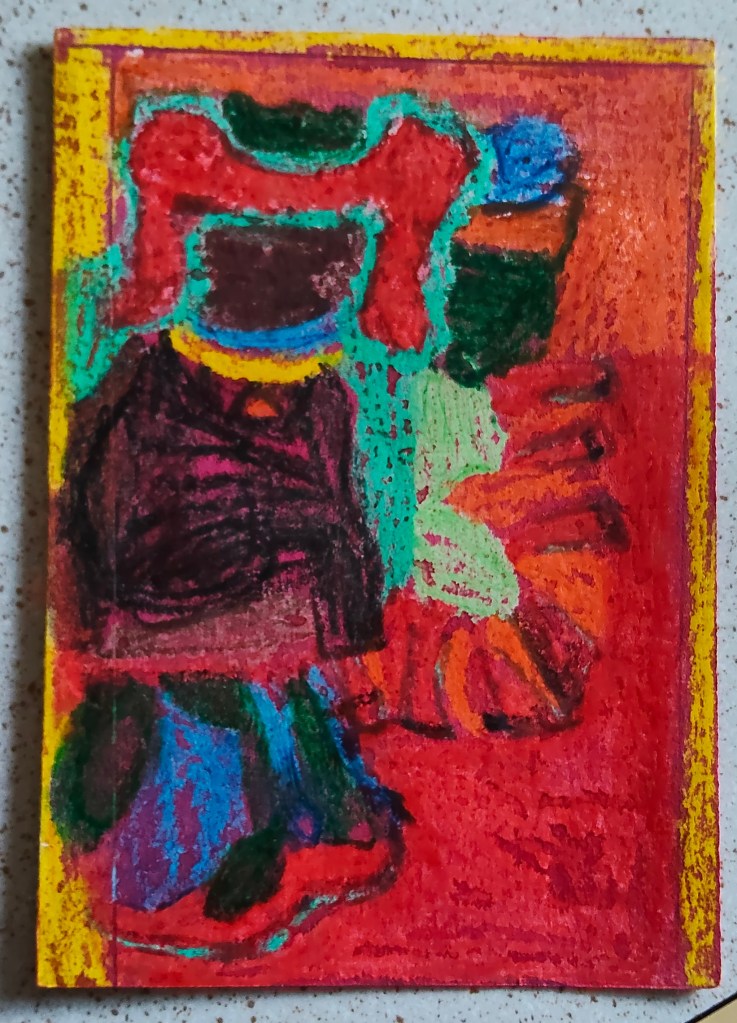
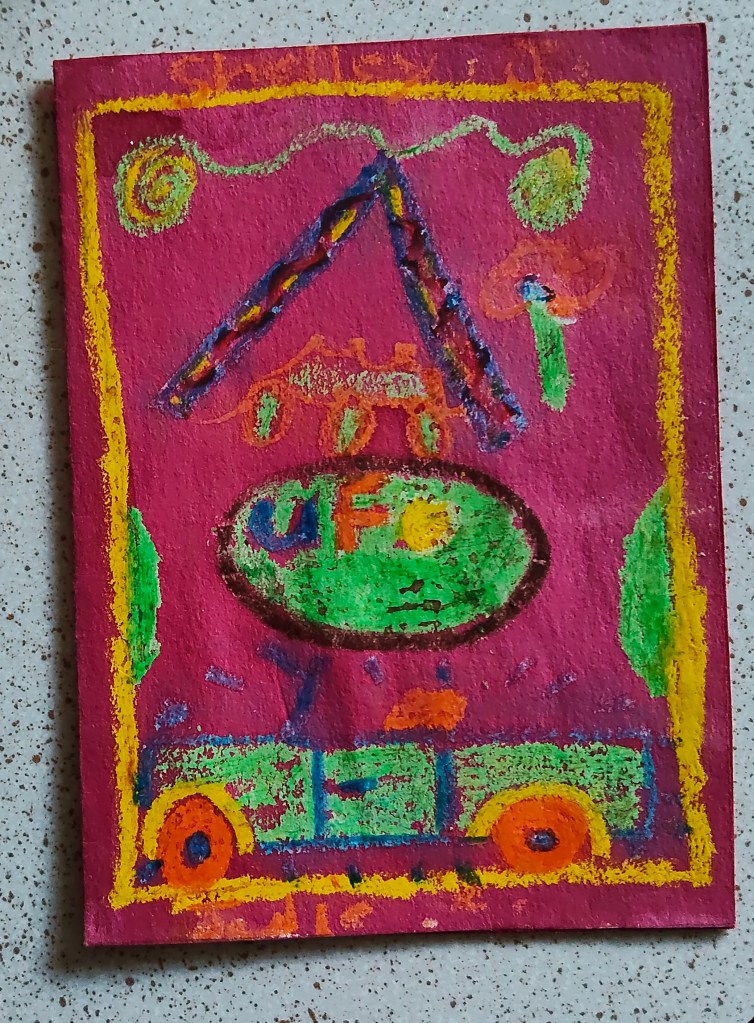
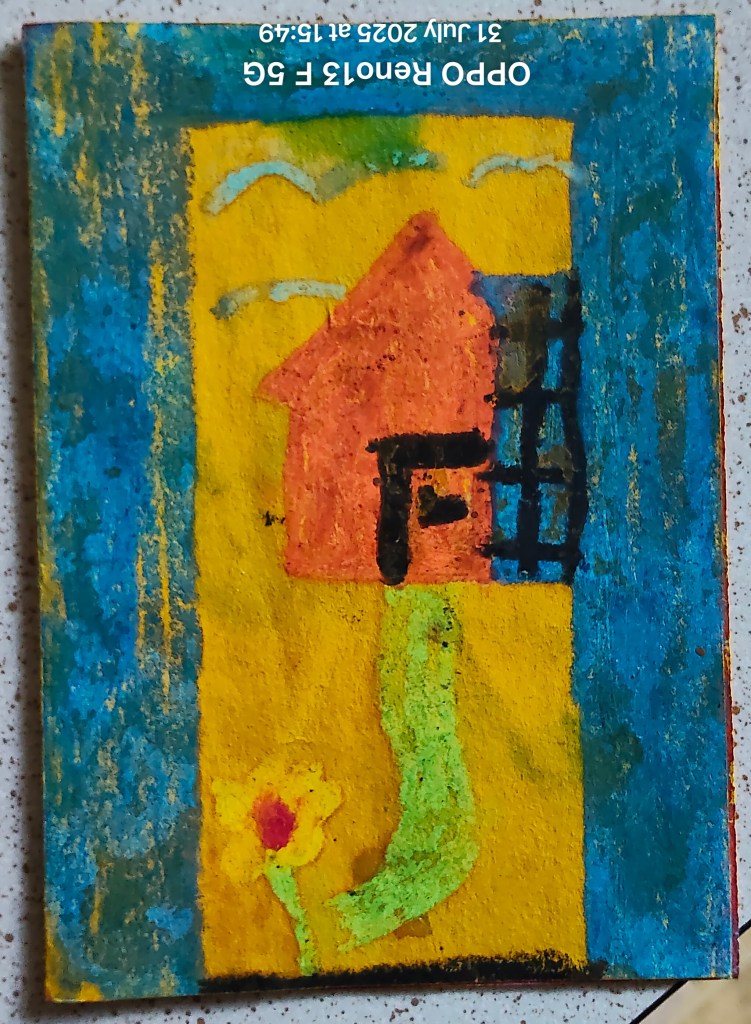
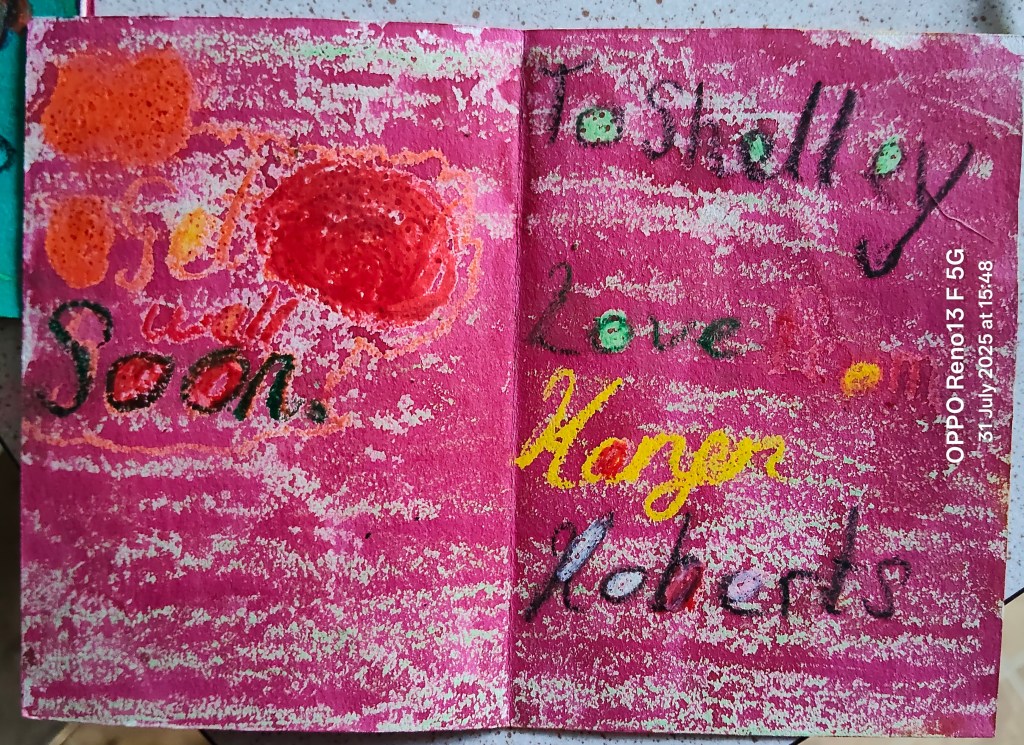
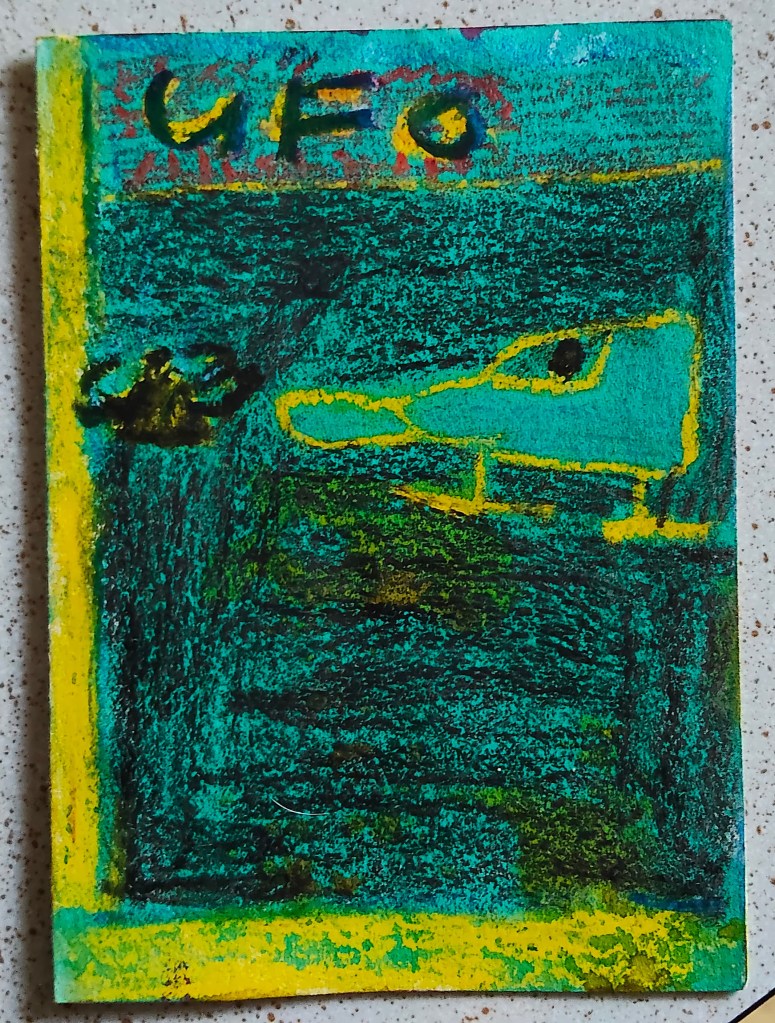
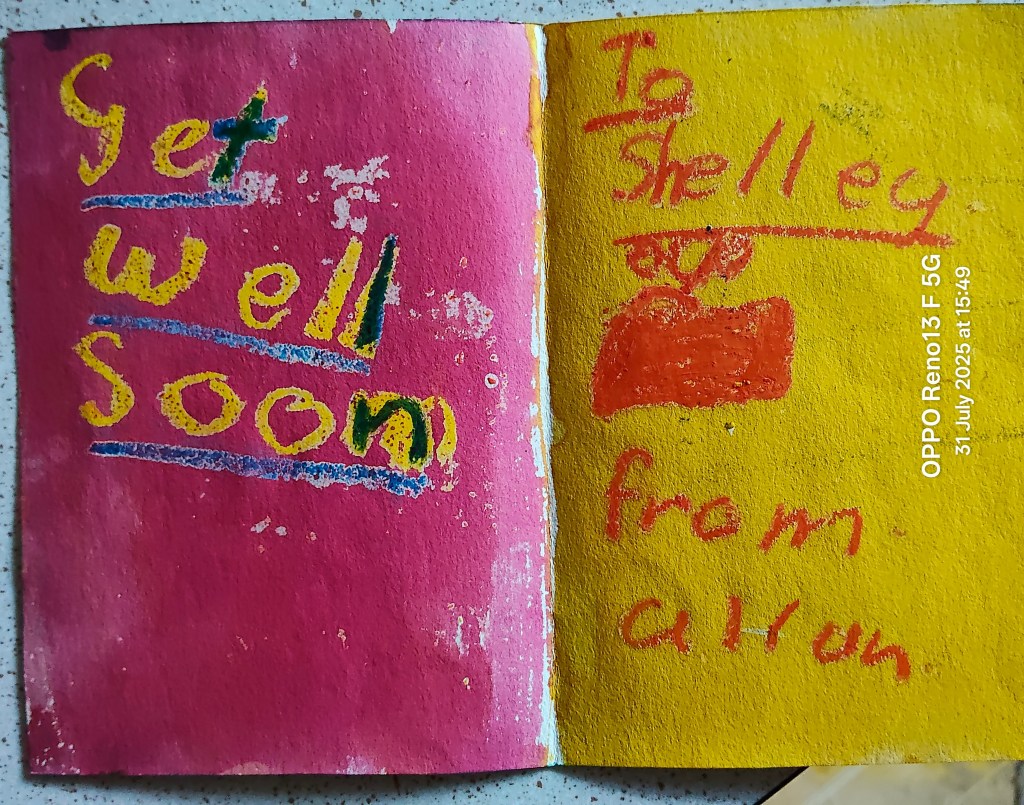
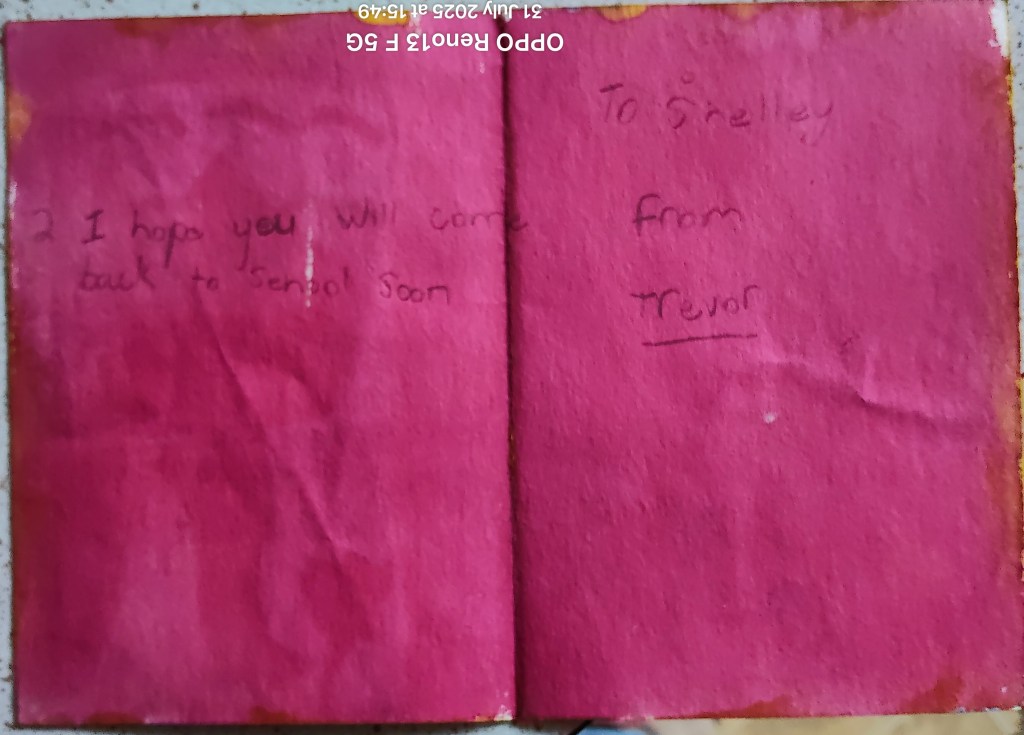
Jean knows two ex-Deaf students, Shelley R. and Jamie, and they have delayed language development. It was called language deprivation, where there was no sign language taught in the classroom, only English. The Ministry of Education had a policy in all schools and in the Hamilton Deaf Units and around New Zealand, saying NZSL is not allowed to be taught to all D/deaf students, even though many Teachers of the Deaf children were unable to take up training by learning sign language in the early days until the late 1980s and 1990s.
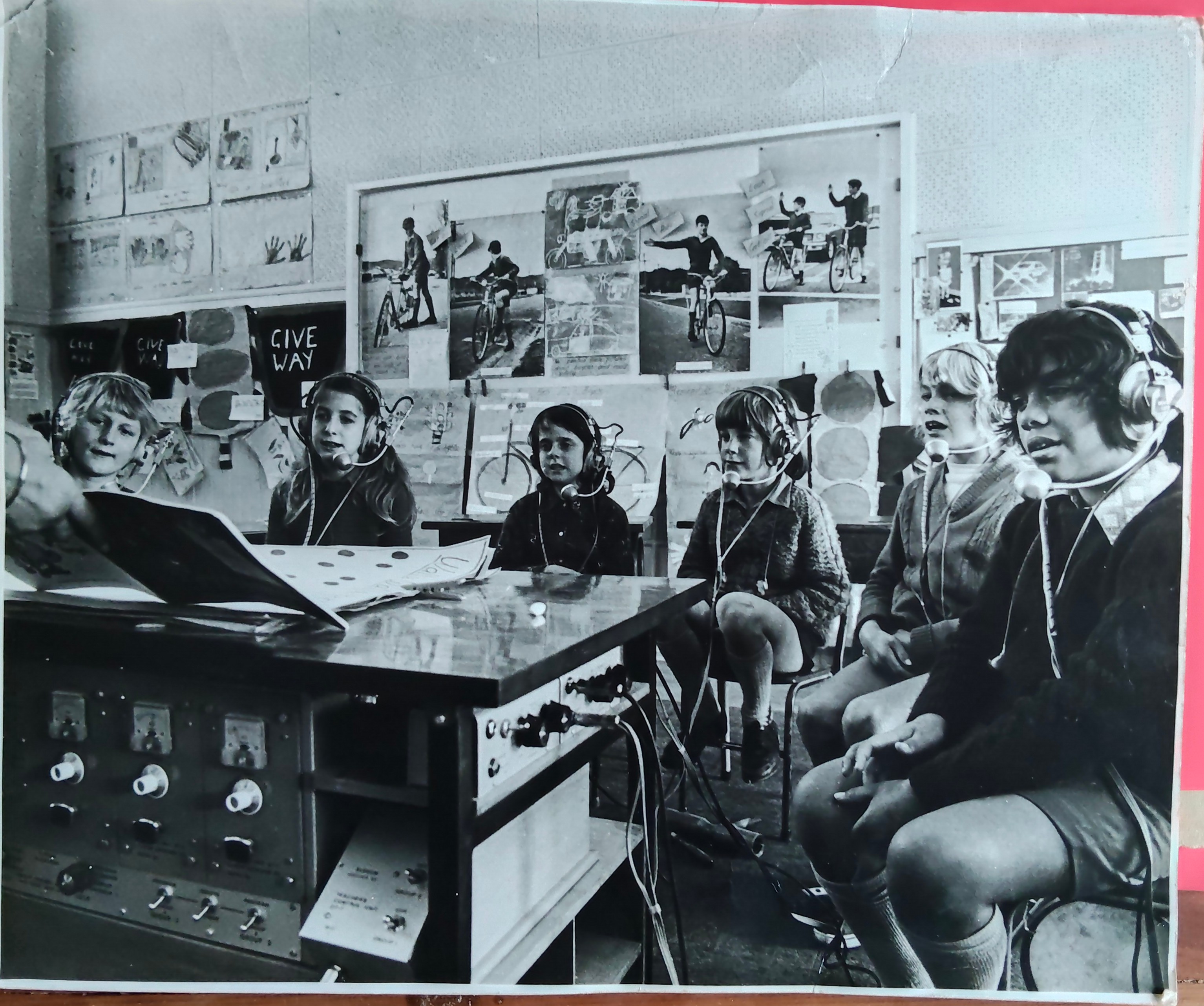
Ex D/deaf students were taught to speak and write in English, a language that was not their first. As a result, many of them struggled, and only a small number can write at a below-average level in English. In a photo, a small group of D/deaf students can be seen wearing headphones attached to a box. The Teacher of the Deaf, holding a microphone, was attempting to communicate with these students. However, the speech training in the 1970s and 1980s was not effective, and the students found it challenging to understand and were uncomfortable with the process.
“Deafness and sign language are extremely close to my heart.”
“At Gallaudet, deafness isn’t an issue. You don’t even think about it. Students can pay attention to accounting or psychology or journalism. But when a deaf person goes to another college, no matter how supportive it is, that person doesn’t get the same access.”
Make a one-time donation
Make a monthly donation
Make a yearly donation
Choose an amount
Or enter a custom amount
Your contribution is appreciated.
Your contribution is appreciated.
Your contribution is appreciated.
DonateDonate monthlyDonate yearly Waikato Deaf Units Schools History
Leave a comment